The crossing

The World’s Toughest Row Atlantic

About 3,000 miles of open ocean separate La Gomera in the Canary Islands from Antigua in the Caribbean. The crossing tests endurance, resilience and teamwork in one of the most remote environments on Earth.

One ocean. Five people. One goal.

In December 2027, crews from around the world will gather in San Sebastián de La Gomera to prepare their boats and set out west. From the start horn, rowers rely on their own strength, planning and teamwork to reach the other side.

For our crew, this is a long-held ambition and a chance to show that age is no barrier to bold new challenges. We’ll row to Antigua together, raising funds for the charities we care about along the way.
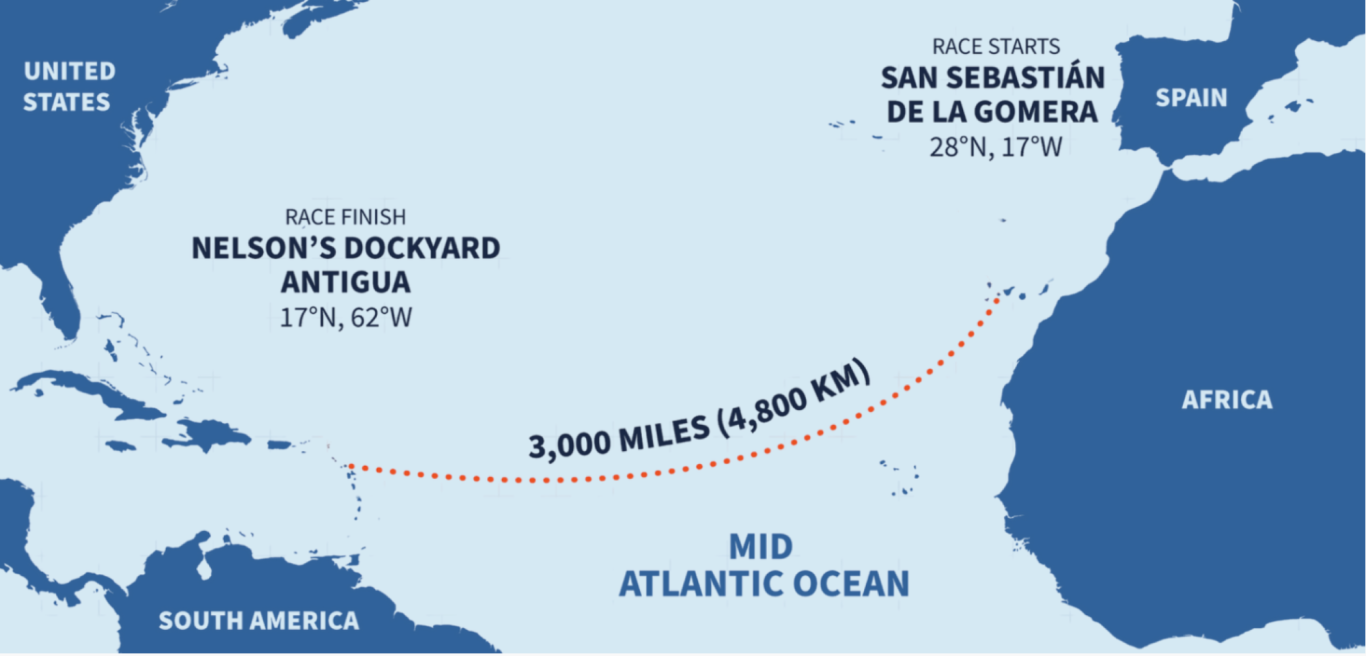
Map of the Atlantic route from San Sebastián de La Gomera to Antigua, about 3,000 miles or 4,800 kilometres
World’s Toughest Row Atlantic route: San Sebastián de La Gomera to Nelson’s Dockyard, Antigua.

From harbour to horizon

The journey from start to finish

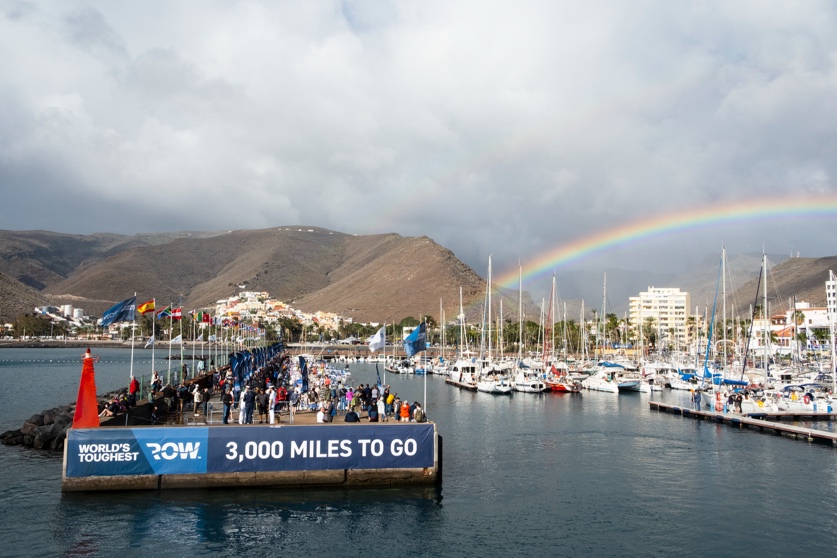
Race village and boats gathered at the harbour in La Gomera
Crews gather in La Gomera for final checks before the start.
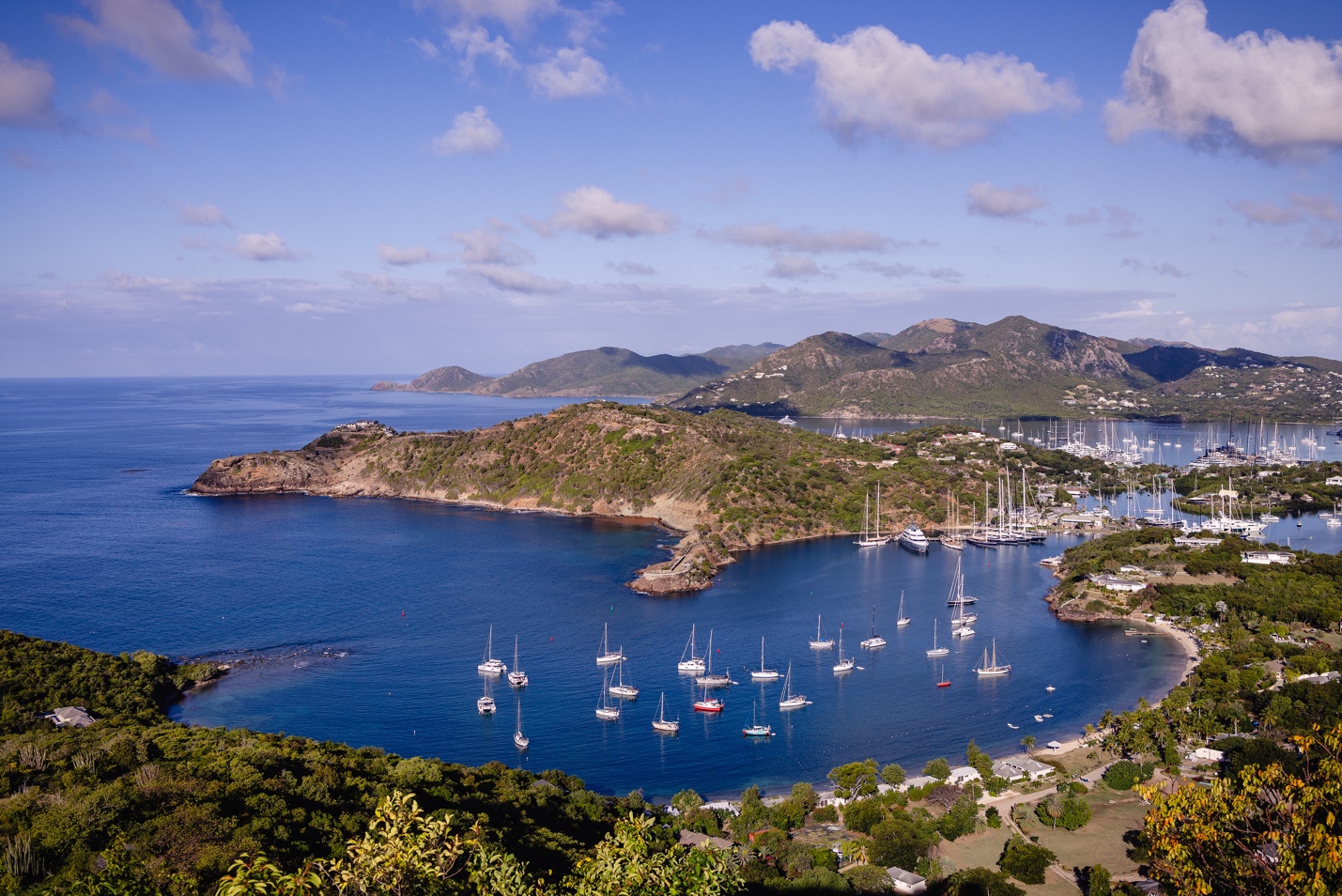
English Harbour and Nelson’s Dockyard in Antigua
Antigua’s English Harbour marks the finish line.
01

Prepare in La Gomera

San Sebastián’s race village brings teams together for final preparations. Once the start horn sounds, crews leave the harbour and head into the open Atlantic.

02

Live with the ocean

Rowers are self-sufficient at sea. Weather can swing from storms and large waves to calm spells, while sun and salt water make hydration, food and hygiene essential.

03

Reach Antigua

After weeks at sea, crews approach English Harbour and are welcomed by friends, family and supporters. Depending on conditions and crew, crossings can take roughly 30 to 90 days.

A day at sea

Small routines. A huge effort.

3,000miles (about 4,800 km) across the Atlantic
24/7rowing, usually in two-hours-on, two-hours-off shifts
5,000+calories a day burned by a rower, according to race guidance
1.5m+oar strokes made by each team over a crossing

Changing conditions

Teams may face rough seas, storms or days with little wind and slow progress. Every crew adapts its pace and plans as conditions change.

Fatigue and isolation

Sleep comes in short blocks around the rowing rota. Weeks with only the horizon for company ask as much of the mind as of the body.

Safety on deck

The supplied race information says crew must stay clipped to the boat’s jackstay with a three-point safety harness whenever on deck.

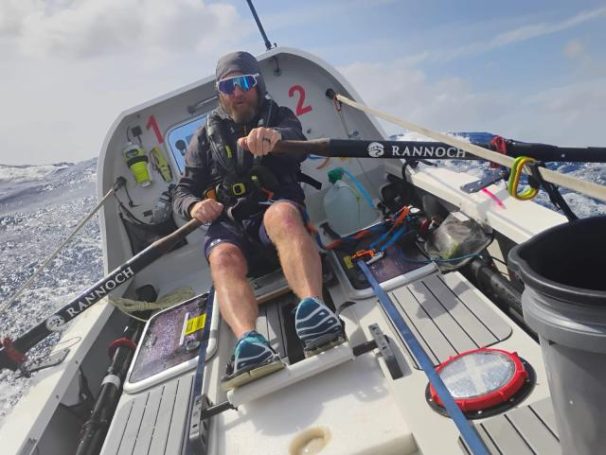
Ocean rower in the boat during a crossing
Rowing and rest happen in a continuous cycle.
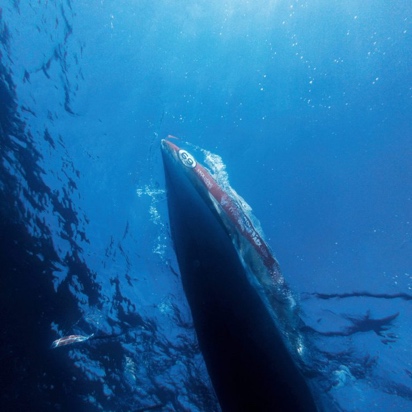
Whale swimming near an ocean rowing boat
Wildlife can bring remarkable moments in the middle of the ocean.

Keep exploring

Follow the race

See a recent race report for a closer look at the crews, boats and conditions involved in the crossing.

Watch the race report ↗

Learn more about the Atlantic race at worldstoughestrow.com ↗